

Luke Allchin, Director, North America
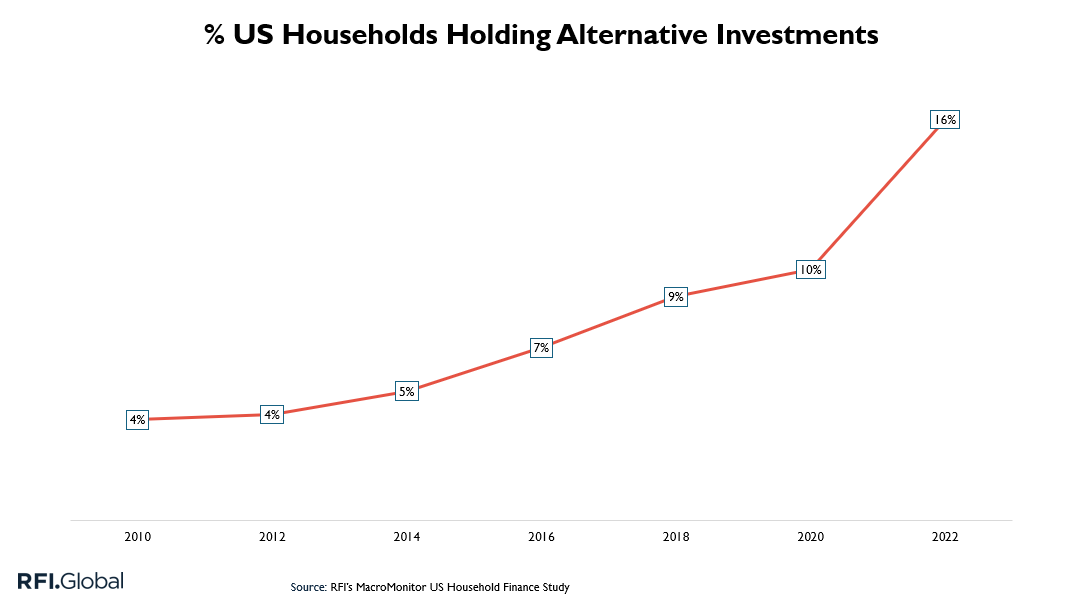
In the United States, long gone are the days when the average investor’s portfolio was confined to a mix of stocks, bonds, and maybe a mutual fund or two. Today, alternative investments are taking center stage, offering new opportunities and challenges. From real estate crowdfunding to cryptocurrencies and private equity, the landscape is diversifying at an unprecedented rate.
This transformation is not just altering where and how US consumers invest their money. It is reshaping the very fabric of financial advice and wealth management. As we look at our MacroMonitor household data to explore the world of alternative investments, several critical trends emerge, each with profound implications for investors and the financial services industry.
The allure of alternative investments
Many factors have contributed to the rising popularity of alternative investments. The low-interest-rate environment following the 2008 Global Financial Crisis was a key factor behind this shift. Traditional savings accounts and bonds offering little return also compelled some consumers to seek alternatives.
Technological advancements have also democratized access to alternative investments. Platforms that were once the domain of institutional investors are now available to the everyday consumer, making it easier than ever to invest in a broader array of assets.
While alternative investments can offer substantial rewards, they are not without risk. The volatility of cryptocurrencies, the illiquidity of private equity, and the complexities of real estate require a sophisticated understanding and a willingness to embrace potential losses. However, for those willing to navigate these waters, the potential for significant returns is a powerful draw.
The Millennial and Gen Z effect
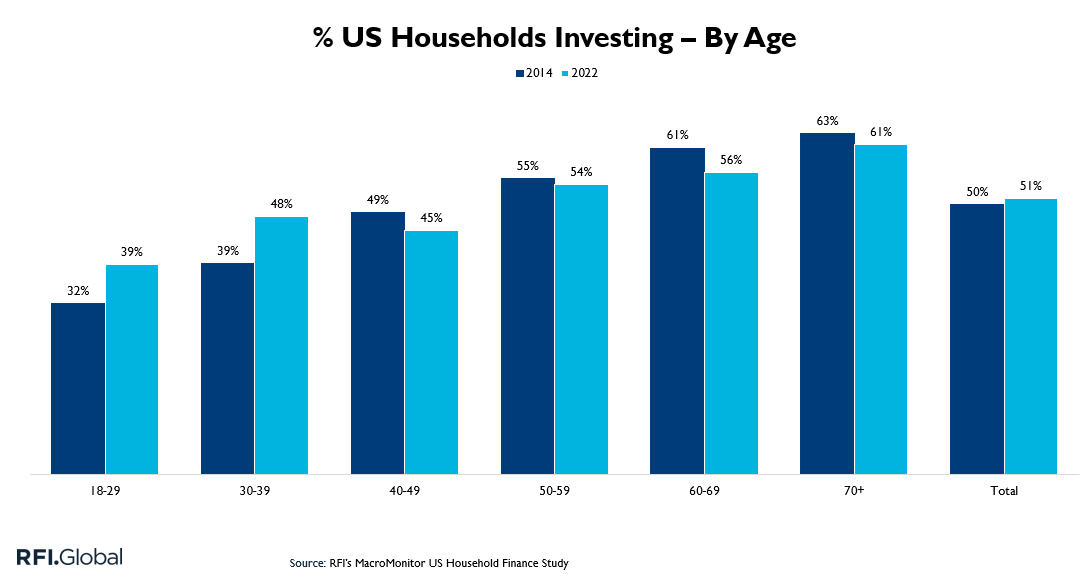
Younger generations are not just participating in this investment revolution, they are driving it. Millennials and Gen Z, often described as tech-savvy and value-driven, are redefining what it means to be an investor.
Having grown up in the digital age, these generations are comfortable leveraging technology for all aspects of their lives, including investing. Online platforms, mobile apps, and digital currencies are second nature to them. This comfort with technology translates into a readiness to explore new financial products and investment strategies.
Access to financial education has also played a significant role. Online resources, social media influencers, and fintech platforms have opened investing to the masses. Young investors are more informed and confident, ready to make their own financial decisions without relying solely on traditional financial advisors.
Beyond the lure of technology, young investors are increasingly motivated by social and environmental concerns. Sustainable and impact investing, where financial returns are aligned with positive social or environmental outcomes, are particularly appealing. This alignment of values and investments not only satisfies their ethical considerations but also taps into a broader trend towards corporate social responsibility.
The role of cryptocurrencies
We shouldn’t overlook the pivotal role cryptocurrencies have played in this transformation. They democratized access to investment opportunities, with platforms like Coinbase and Binance making it easy for anyone to invest in digital assets. This ease of access, combined with the technological appeal of blockchain, has attracted a new generation of investors.
Furthermore, the volatility and high-risk, high-reward nature of cryptocurrencies also taught this new form of investors a valuable lesson about market dynamics and risk management, and it drove many to better educate themselves about investing in general.
The growing need for wealth advice and the rise of robo-advisors
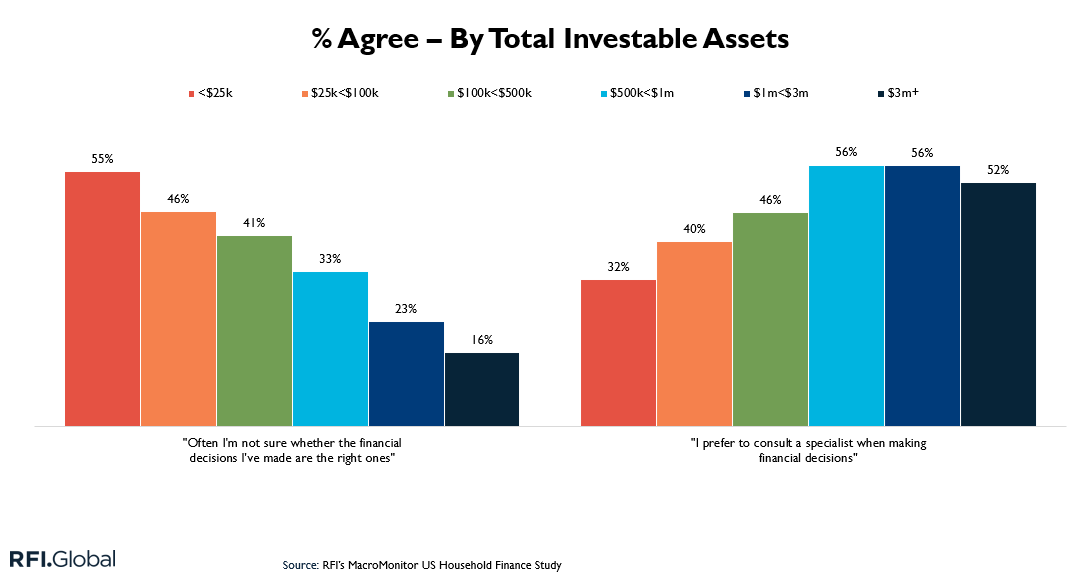
As the investment landscape evolves, so too does the role of wealth advice services. The complexity of modern financial markets means that personalized, strategic advice is more important than ever.
In parallel with the growing complexity of the investment landscape, the rise of AI-powered robo-advisors – platforms that leverage algorithms and big data to provide investment advice and portfolio management at a fraction of the cost of traditional advisors – represents a significant innovation in the world of wealth management.
Robo-advisors have made professional investment management accessible to everyone, including those who might not have the assets to engage a traditional advisor, and given way to more confident and empowered investors.
Confidence in self-directed investing
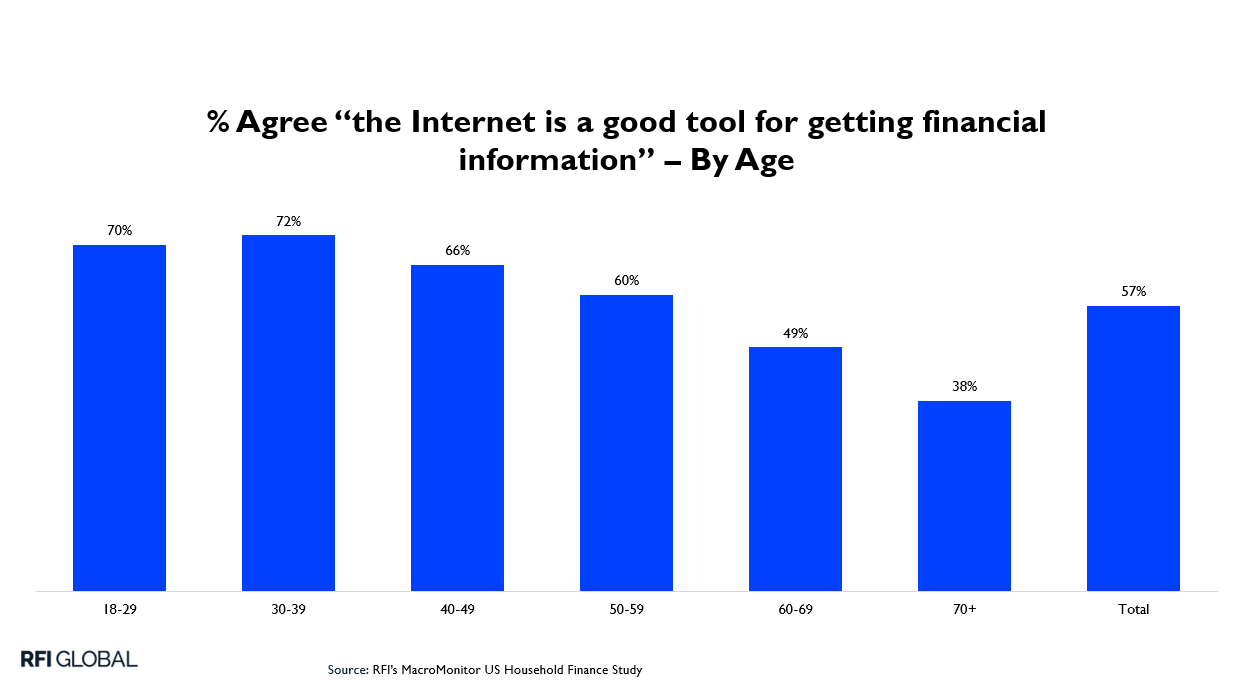
One of the most significant shifts in recent years is the growing confidence among consumers to make their own financial decisions. Several factors contribute to this trend. The abundance of online financial education resources has empowered consumers. From blogs and webinars to online courses and social media, individuals have more tools than ever to educate themselves about investing.
Technology has simplified investing, making it more accessible. User-friendly platforms, real-time data, and automated tools enable consumers to manage their portfolios with ease and has given them a greater sense of confidence.
There is also a cultural shift towards greater financial independence. The gig economy, the rise of entrepreneurship, and the desire for financial autonomy have driven individuals to take a more active role in managing their finances.
The future of investing in the US
Looking ahead, the future of investing in the United States promises to be dynamic and transformative. Our data shows that we can expect several trends to continue shaping the investment landscape.
1. Growth in alternative investments
Alternative investments will continue to grow in popularity as investors seek diversification and higher returns. Platforms that facilitate access to these investments will grow and evolve to offer more sophisticated tools that aid self-directed investing.
2. Financial literacy will increase
Efforts to enhance financial literacy will intensify, with educational initiatives targeting the next generation of investors. This will further empower consumers to take greater control of their investments.
3. Integrated advice will reign
The integration of advanced technology with personalized advice will become the norm. Hybrid models that combine human advisors with robo-advisors will offer the best of both worlds.
4. Sustainable investment becomes mainstream
Sustainable and impact investing will become mainstream. As awareness of social and environmental issues grows, more investors will seek to align their portfolios with their values, driving demand for investment products that offer both financial returns and positive social impact.
The US investing landscape is on the verge of a new era, defined by technological innovation and evolving investor preferences. As consumers become more informed and empowered, the financial industry must understand the needs of their customers and adapt to meet their changing needs, offering more diverse, accessible, and personalized solutions. The growing popularity of alternative investments will offer some challenges but also plenty of new opportunities for all those who choose to embrace the change.
Subscribe to get the latest RFI data and insights.

Luke Allchin
Director, North America
Luke Allchin is a Director, North America at RFI Global, leading financial services research and advisory across the North American market.
View full profileData-driven insights for financial service leaders
Subscribe to The Banknote, our monthly newsletter delivering expert perspectives and exclusive analysis, powered by 200,000 consumer and 60,000 business interviews each year to help you stay ahead in a fast-changing financial world.
